

Commentary
The Islamic Republic’s words and actions suggest that it has changed its approach to both diplomacy and war.
Mohammad Ayatollahi Tabaar
{
  "authors": [
    "Daniel C. Kurtzer",
    "Aaron David Miller"
  ],
  "type": "commentary",
  "blog": "Emissary",
  "centerAffiliationAll": "",
  "centers": [
    "Carnegie Endowment for International Peace"
  ],
  "englishNewsletterAll": "",
  "nonEnglishNewsletterAll": "",
  "primaryCenter": "Carnegie Endowment for International Peace",
  "programAffiliation": "",
  "regions": [
    "United States",
    "Israel"
  ],
  "topics": [
    "Foreign Policy"
  ]
}
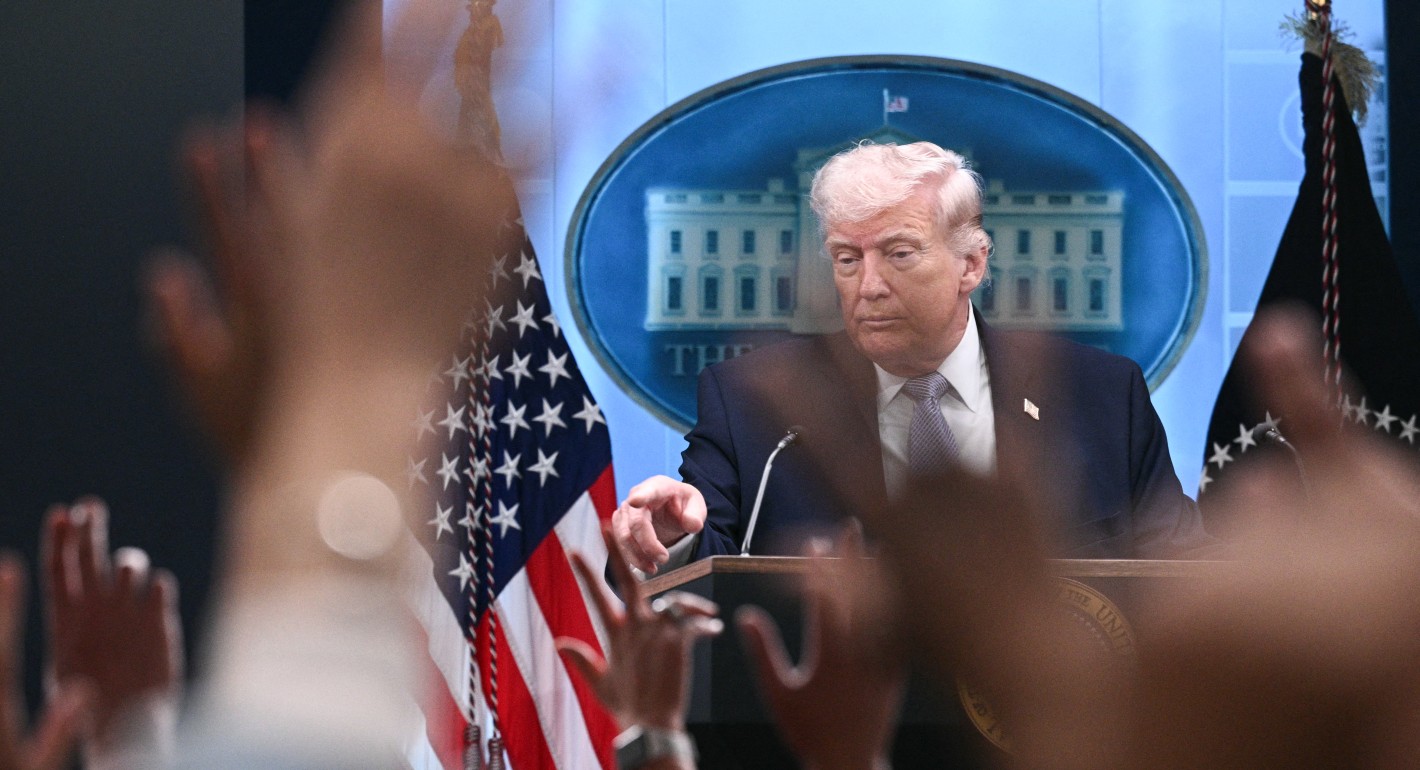
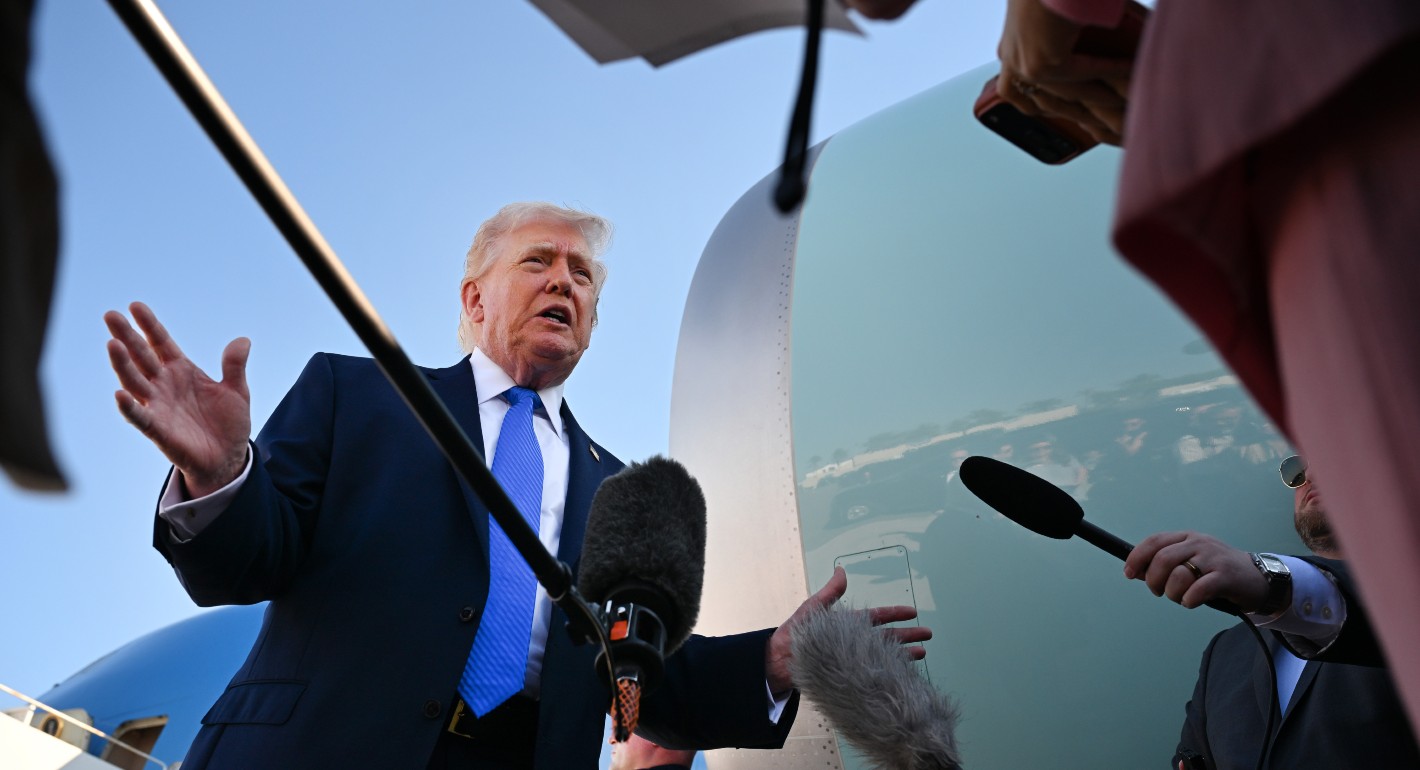
U.S. President Donald Trump takes questions as he speaks about the conflict in Iran in the James S. Brady Press Briefing Room of the White House on April 6, 2026, in Washington, DC. (Photo by Brendan SMIALOWSKI / AFP via Getty Images)
Five major trends are shaping U.S. policy in the Middle East.
A thousand days after October 7, 2023, much about the Middle East seems perversely familiar, yet much has changed. Gaza lies in ruins, with Israel occupying nearly 70 percent of the territory and Hamas governing the rest. The West Bank is simmering, with persistent violence by extremist settlers and land grabs as part of galloping annexation. Hezbollah is down but hardly out, alive and threatening to scuttle the recently negotiated Israel-Lebanon-U.S. Trilateral Framework Agreement. Syria is a work in progress; it was assisted by Israel’s attacks against Iran and Hezbollah, which also helped topple the Bashar al-Assad regime, but paradoxically, the new government is now being weakened by further Israeli attacks on its territory. And, perhaps most important, a ferocious U.S. and Israeli military campaign against Iran has emboldened the Islamic Republic regime, facilitated economic and financial relief, and left Tehran with newfound leverage and control over the Strait of Hormuz.
The long-term consequences and implications for the United States, Israel, and the region are far reaching. Israel’s national security concept has changed from power and deterrence to power and preemption, resulting in a proactive campaign to attack its adversaries in Gaza, Lebanon, and Syria. It sees military power as an end in itself with no real sense or strategy to convert it into durable political gains. Notwithstanding that power, its population remains traumatized, an attitude now being exploited by Prime Minister Benjamin Netanyahu, who talks about unending conflict with Israel’s neighbors both as an election tactic and as a means of organizing a militarized society.
Since October 7, and even before, America has seemed like a modern-day Gulliver, wandering around in a region it doesn’t really understand, tied up by powers large and small who don’t always share its interests, and burdened heavily by its own illusions and domestic politics. U.S. presidents like Joe Biden would not exercise leverage over Israel because of long-standing attachment to Israel, whereas Donald Trump has hollowed out the U.S. government’s expertise and is winging it, with no apparent strategy other than pursuing quick fixes guided by his own political and financial interests in the region and need for self-glorification.
Washington’s conundrum, which impacts Israel and all other U.S. friends in the region, is that U.S. leaders refuse to accept that they cannot transform the region; they do not have a vision or the will to formulate and execute a smart strategy. There’s no transformation, no strategy, and no extrication, leaving the United States floundering, to the detriment of its own interests as well as those of its friends.
Simply stated, the United States confronts five challenges that have emerged in a region that is broken, angry, and dysfunctional after October 7, in part attributable to the region’s own weaknesses and in part attributable to American policy failures. And as bad as things were before February, they have gotten measurably worse as a result of the ill-conceived, poorly executed war against Iran and the fabulously self-defeating diplomacy that has followed.
First, America’s ally, Israel (once David, now Goliath) is wedded to a policy that seeks to use its escalation dominance to solve its security concerns without a realistic political strategy. The reality is that Israel does face severe security challenges, especially from Iran and its proxies, who launched attacks against Israel during the Gaza war. Though Israel has diminished Hezbollah’s military might in Lebanon and opened an opportunity for an uncharacteristically risk-ready Lebanese government to assert its control over all its territory, it has also exacerbated old dangers and created new ones, most particularly radicalizing already disaffected populations in the region, according to Israeli military intelligence.
Significantly, the United States decided to join Israel in the attack against Iran in June 2025 and is now in a brutal war with Iran. These unprecedented joint military operations scored some impressive tactical successes against Iran’s nuclear infrastructure and its conventional military capabilities. But they also ended up providing Iran with a strategic weapon that is irreversible—effective control over the Hormuz Strait, including the near-certainty that transit fees will now be imposed. Anxious to walk away from this conflict, Trump has shut out Israel from U.S. negotiations with Iran, which have resulted in a memorandum that has conceded almost all of Iran’s demands.
Second, the U.S.-Israel war has also complicated the lives of U.S. allies in the Gulf—once seen as islands of security and stability—that now grapple with economic and energy challenges in the wake of this war. The so-called Dubai model, which depends on security and stability to create financial and business development, can no longer be taken for granted. Iran hit some Gulf states harder than Tehran hit Israel, leaving the Gulf states to wonder whether there is any reality in American security guarantees. They were not consulted before the war started, and they can see American diplomacy leading in a direction that could empower Iran, at least in the short term, with an infusion of frozen assets and the lifting of sanctions.
Third, the Arab world has long faced dysfunction and state failure. Population growth, unemployment, food insecurity, lack of basic freedoms and rights, and entrenched leaders have contributed to the growth and persistence of extremist ideologies and actors. In Lebanon, Syria, Iraq, Libya, and Yemen, governments grapple with the realities of poor governance, economic inequality, and apparent corruption. Steadier U.S. partners, such as Egypt and Jordan, chug along, burdened with their own challenges and unable to project their influence.
This has contributed to the fourth consequence of the post–October 7 period—a vacuum that has enabled the rise to regional prominence of the three non-Arab Middle Eastern states, Turkey, Israel, and Iran. All have significant economic potential and more than competent militaries and intelligence organizations; one is a member of NATO; one is still America’s closest ally; and the third, though weakened in some ways, will remain a power for years to come. All have what most Arab states lack: The capacity to project power and influence beyond their borders, for good or ill.
The fifth consequence has been a serious and deleterious impact on U.S. interests and standing in the region, and equally serious implications at home. Perhaps the most important agenda item for U.S. security is rebuilding the trust and confidence that allies and partners used to have in Washington’s commitments. But the administration does not appear to be devoting much attention to this, other than a brief trip by the secretary of state to the Gulf. Even before the war with Iran, regional friends wondered about an American policy that seemed to prefer distancing itself from allies and alliances, both in the Middle East and in Europe, rather than strengthening them. After the war with Iran, U.S. regional allies will think twice about the stability and sustainability of American promises, though one wonders where else they have to go. Russia, China, and Europe have been missing in action during the current crisis.
Back home, the United States is wrestling with a different set of consequences. The U.S.-Israel relationship is cracked—not yet shattered—but is in need of a repair that does not seem in the offing. The unprecedented joint U.S.-Israel military action against Iran has been followed by equally unprecedented, profanity-laced invective delivered by the president to the prime minister. On the one hand, it is a reminder of who the big power is in this relationship, but on the other hand, it raises the question of whether the relationship is sustainable in its present form.
Domestic U.S. politics have also changed in ways not seen before. Israel has become a key election issue across the United States—not simply disagreement with Israeli policies but questions raised about whether the United States should support Israel at all. Once-powerful pro-Israel lobbying and funding groups are being shunned, as progressives who believe Israel has committed genocide and MAGA isolationists both turn support for Israel into a key litmus test for candidates. The prominence of these issues has also unleashed a wave of antisemitism on both the right and left not seen in the United States in decades.
America’s conundrum in the region is easy to describe but much harder to escape—the country cannot transform the region and cannot leave it. And the opportunity costs that wrongheaded involvement there will affect other conflict areas, such as Russia and Ukraine and China and Taiwan, are considerable. With no transformation or extrication, what then is the right balance?
Some might say strategic transaction is the answer. Identify the must-have issues that pertain to U.S. security and prosperity, drill down on advancing those, while working with partners to take on the nice-to-haves. This process may not be pretty, but it is designed to avoid overreach, calibrate means and ends, and identify regional partners to take the lead. And, with ownership and U.S. support, it is these partners who might actually have a chance of leading the region to a better future.
The latest from Carnegie scholars on the world’s most pressing challenges, delivered to your inbox.

Daniel C. Kurtzer
Lecturer and S. Daniel Abraham Professor of Middle East Policy Studies, Princeton University
Daniel C. Kurtzer is the S. Daniel Abraham Professor of Middle East Policy Studies at Princeton University’s School of Public and International Affairs. During a twenty-nine-year career in the U.S. Foreign Service, Ambassador Kurtzer served as the U.S. ambassador to Israel and as the U.S. ambassador to Egypt. He was also a speechwriter and member of secretary of state George P. Shultz’s Policy Planning Staff and served as deputy assistant secretary for Near Eastern Affairs and principal deputy assistant secretary for Intelligence and Research.

Senior Fellow, American Statecraft Program
Aaron David Miller is a senior fellow at the Carnegie Endowment for International Peace, focusing on U.S. foreign policy.
Carnegie does not take institutional positions on public policy issues; the views represented herein are those of the author(s) and do not necessarily reflect the views of Carnegie, its staff, or its trustees.
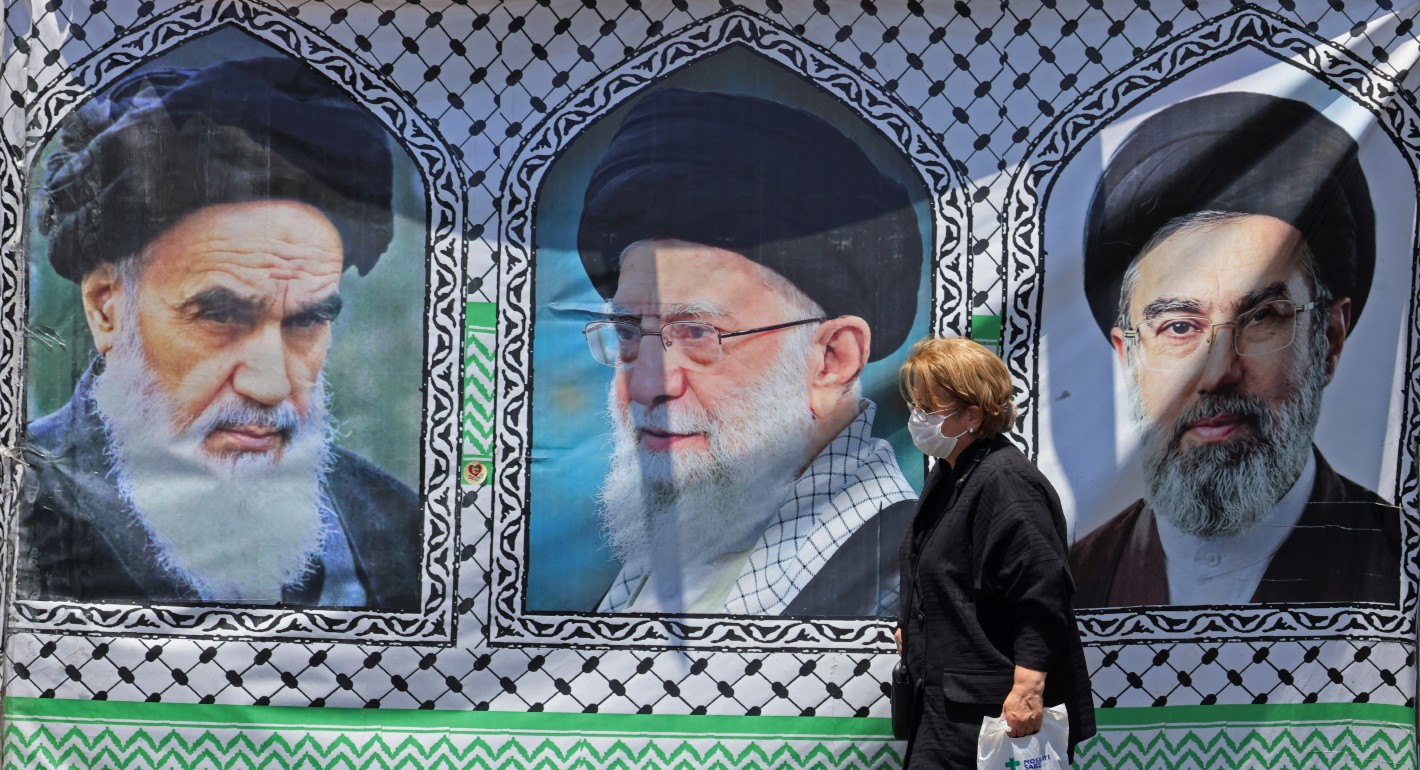
The Islamic Republic’s words and actions suggest that it has changed its approach to both diplomacy and war.

Mohammad Ayatollahi Tabaar
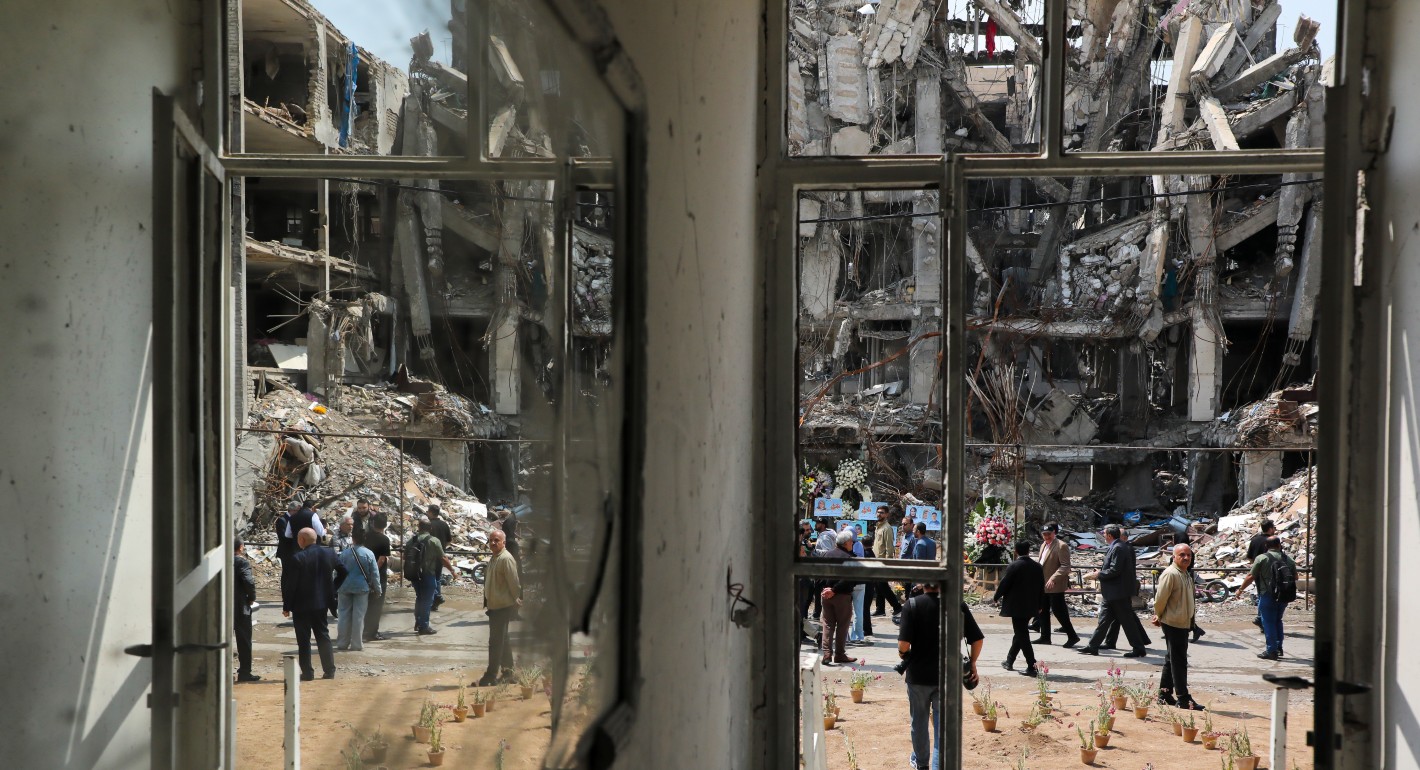
Tehran may conclude that its ability to disrupt the global economy via the Strait of Hormuz provides enough deterrence to begin quietly rebuilding its nuclear program.

Jane Darby Menton, Mohammad Ayatollahi Tabaar
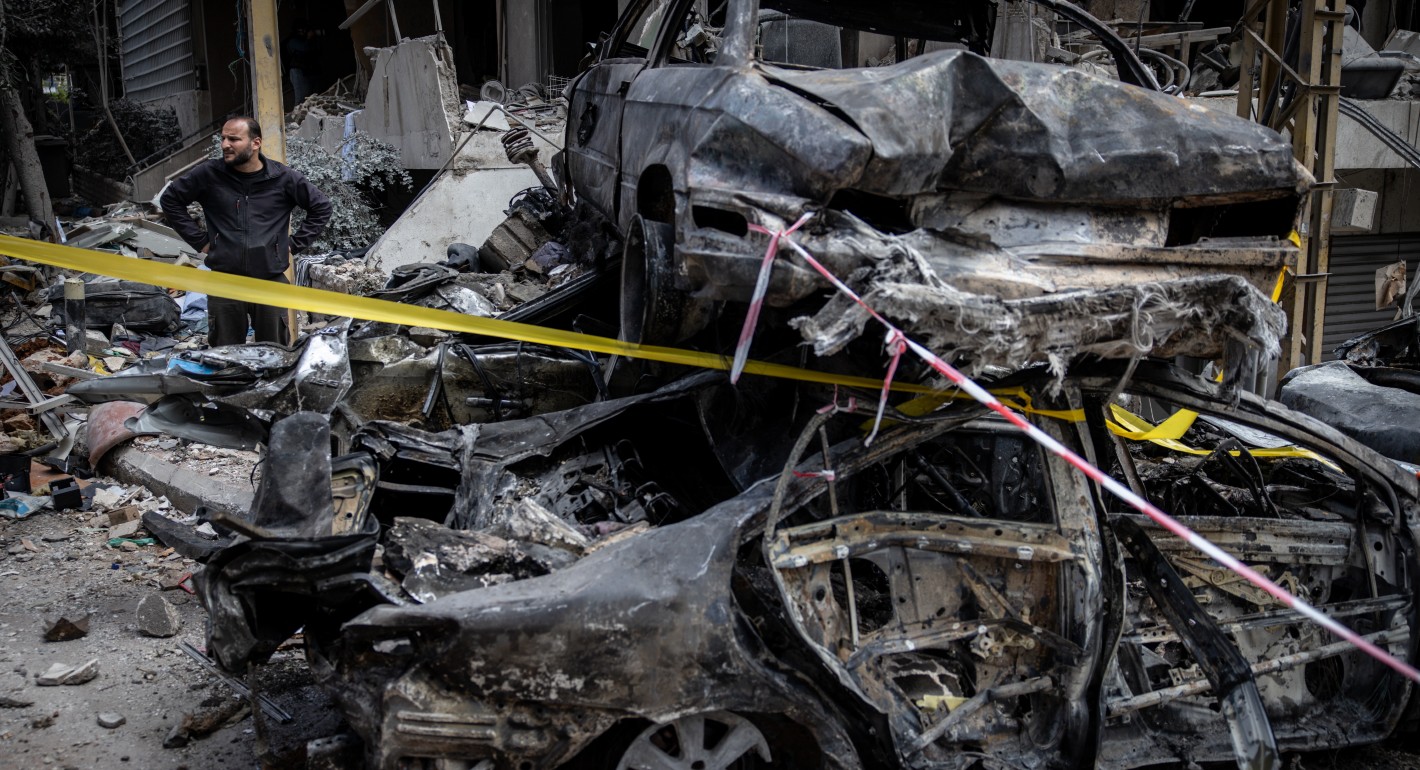
Four Middle East experts analyze the region’s reactions and next steps.



Amr Hamzawy, Andrew Leber, Eric Lob, …
Going to war was the U.S. president’s decision, for which he alone is responsible.
Daniel C. Kurtzer, Aaron David Miller
The cracks between Trump and Netanyahu have become more pronounced, particularly over energy and leadership targets.
Eric Lob